THE STUDIES
Sixteen trials, one answer
A 1995 meta-analysis in JAMA combined 16 studies and found that sugar does not affect the behaviour or cognitive performance of children.
See the numbers
 candyjump
WHAT THE STUDIES FOUND
16 STUDIES no effect on behaviour found
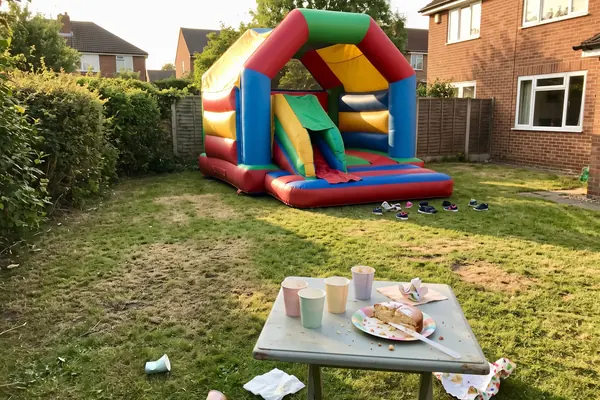
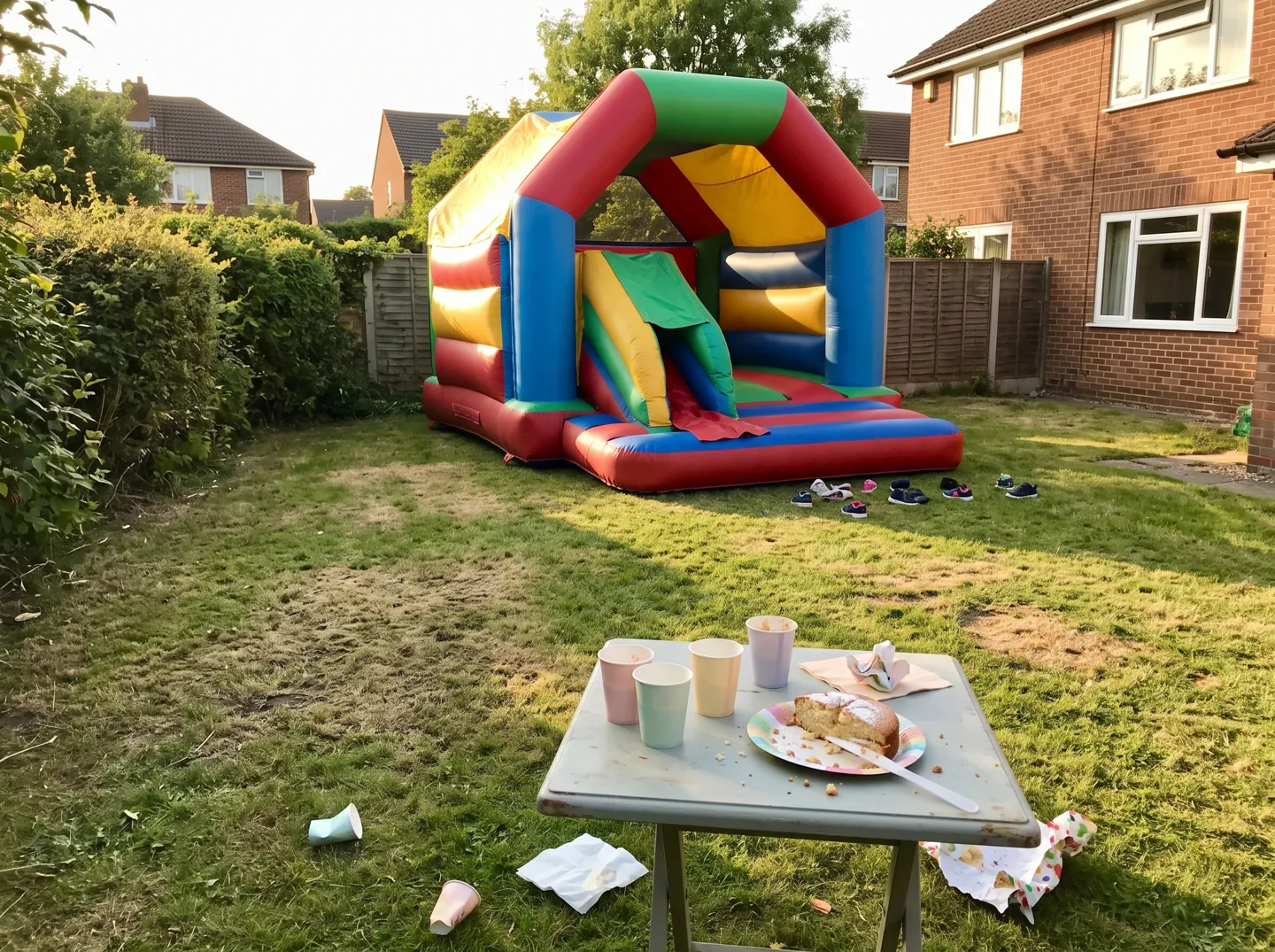
Cake, sweets and a room full of bouncing children.
It looks like a sugar rush. But when researchers gave children sugar or a sweetener without anyone knowing which, the behaviour did not change. What changed was what the adults expected to see.
Updated
Check a theoryTHE SHORT ANSWER
Blind, controlled trials found no sugar effect.
An expectation study found a big effect on parents.
THE STUDIES
A 1995 meta-analysis in JAMA combined 16 studies and found that sugar does not affect the behaviour or cognitive performance of children.
See the numbersEXPECTATIONS
Every boy in a 1994 study had a sugar-free drink. Mothers told it was sugar rated their sons as more hyperactive and watched them more closely.
Check a theoryLIMITS
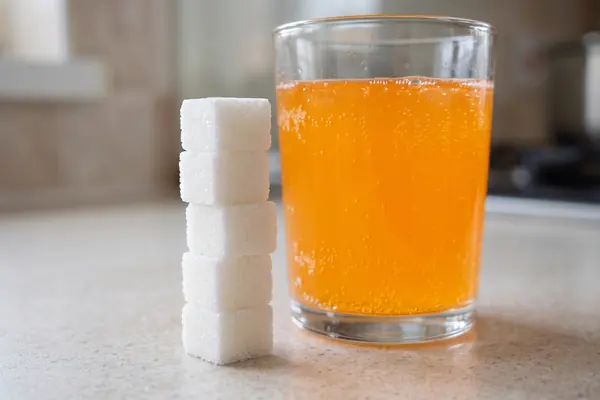
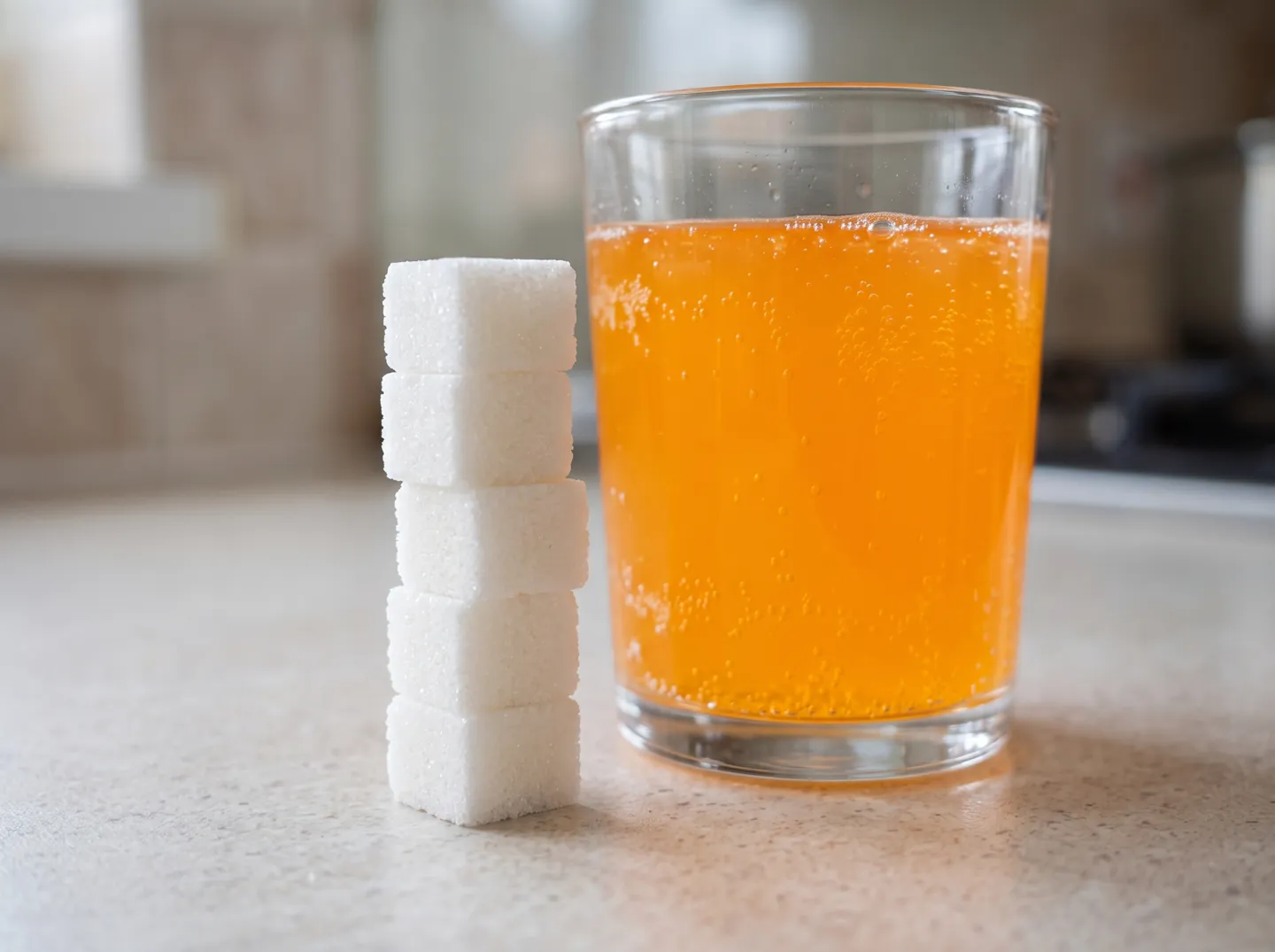
No rush does not mean no harm. The NHS says children aged 4 to 6 should have no more than 19g of free sugars a day, about 5 sugar cubes.
Know the limitsGeneral information only, not professional safety advice. If someone is in immediate danger, call the emergency services.
A QUICK THEORY CHECK
Pick an explanation for a lively child after sweets to see how well research supports it. The bar shows the strength of support.
Based on Wolraich and colleagues (NEJM 1994; JAMA 1995) and Hoover and Milich (1994). General information, not medical advice.
TWO NUMBERS WORTH KNOWING
One figure from the research on behaviour,
one from the NHS on how much is too much.
16 studies
Studies combined in the sugar meta-analysis
Wolraich and colleagues pooled 16 studies and found sugar did not affect the behaviour or cognitive performance of children.
BEHAVIOUR · JAMA, 1995
19g a day
Daily maximum for children aged 4 to 6
About 5 sugar cubes. The limit is 24g (6 cubes) for ages 7 to 10 and 30g (about 7 cubes) from age 11 and for adults.
FREE SUGARS · NHS
The NHS says a can of cola can hold as much as 9 cubes of sugar, more than the daily limit for adults.
THREE THINGS TO KEEP IN MIND
The sugar rush may be a myth, but free sugars still count. These come straight from NHS guidance and the research above.
19g for ages 4 to 6, 24g for ages 7 to 10 and 30g from 11 upwards, about 5, 6 and 7 sugar cubes.
Sugars in honey, syrups, unsweetened fruit juices and smoothies count as free sugars. Sugar naturally in milk, fruit and vegetables does not.
If a child seems wild after sweets, look at the occasion and your own expectations as well as the snack.
WHY THE MYTH STICKS
In the 1994 expectancy study, 35 boys aged 5 to 7 all drank a placebo sweetened with aspartame. Half their mothers were told it was a large dose of sugar.
Those mothers rated their sons as significantly more hyperactive, stayed physically closer to them and tended to criticise, watch and talk to them more. The effect was stronger in more cognitively rigid mothers.
Questions
Controlled research says no. A 1995 meta-analysis of 16 studies found sugar does not affect children's behaviour or cognitive performance, and a three-week diet study found no significant differences between high-sugar and sweetener diets.
Sweets often come with parties and holidays, when children are excited anyway. A 1994 study also found that parents who believe their child has had sugar rate the child as more hyperactive.
All 35 boys received a placebo drink sweetened with aspartame. Only the mothers' expectations differed: half were told their sons had a large dose of sugar.
The NHS says no more than 14g of free sugars a day at 2 to 3, 19g at 4 to 6, 24g at 7 to 10 and 30g from 11, roughly 3.5, 5, 6 and 7 sugar cubes.
No. Sugar found naturally in whole fruit, vegetables and milk does not count as free sugars, but sugars in fruit juice, smoothies, honey and syrups do.
Sources
ABOUT THIS NAME
candyjump.com is part of the DoodleSale portfolio. It isn't in an auction right now, but you can ask about leasing it.